The Wedding Dress
Blush Wedding Dress: Soft Pink Romance Done Right
From barely-there petal pink to deep dusty rose, this guide maps the full blush spectrum by skin tone, spotlights the designers defining the category in 2026, and shows you how to style a pink gown so it reads romance — not prom.
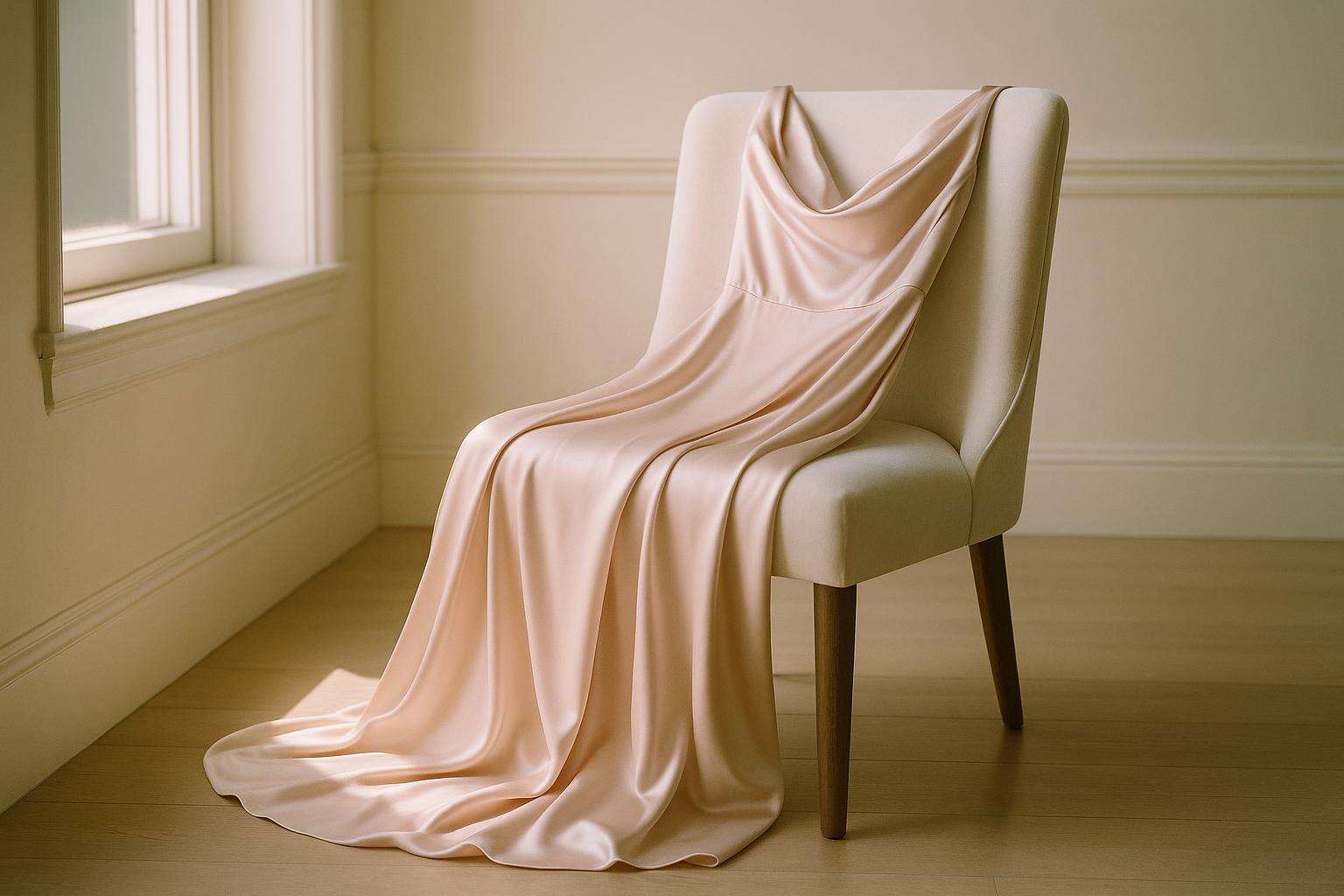
A blush wedding dress sits on a spectrum from barely-there petal pink to rich dusty rose — the right depth depends on your skin tone, and the fabric determines how that color reads on the day and in photographs. Monique Lhuillier and Hayley Paige lead the designer category in 2026; price ranges from under $500 at David's Bridal to $3,500+ at couture ateliers, with pre-owned platforms offering authenticated gowns at up to 85% off.
Blush is the most commercially successful colored bridal gown in modern wedding history. Once considered a niche deviation from white or ivory tradition, it has settled into a permanent fixture of the bridal market — carried by every major retailer, represented in every designer's annual collection, and searched more than any other off-white alternative by brides planning their weddings in 2026. Its appeal is straightforward: it reads as unmistakably bridal while adding warmth and dimension that pure white cannot. But blush is not a single color, and treating it as one is the most common mistake brides make when beginning their search.
What Is the Difference Between Blush, Dusty Rose, and Petal Pink?
Blush is a family of tones, not a fixed shade, and the differences within that family have real consequences for how a gown photographs and how it reads in a room.
At the lightest end of the spectrum sits petal pink — a barely-there rose with a white or champagne base. In overcast natural light or on fair skin, petal pink can read almost as white, registering only as warmth at close range. It is the most traditional entry point into colored bridal and the least likely to surprise guests expecting a near-white gown. The lightest petal pinks are also the most forgiving in mixed-lighting photography because they behave more like ivory than like color.
Mid-tone blush — the shade most people picture when they say "blush wedding dress" — introduces a warm-neutral quality that sits between petal pink and dusty rose. It reads as pink in most lighting conditions but retains enough ivory undertone to feel bridal rather than bold. This is the shade most widely stocked across mass-market and mid-market retailers, from David's Bridal through Lovely Bride's boutique curation.
Dusty rose takes the same pink base and mutes it with a beige or gray overlay, producing a warm-neutral character that feels sophisticated and intentional. It is distinctly different from mauve, which carries cooler lilac-gray undertones that shift the gown toward purple. Dusty rose reads clearly across all skin tones and — according to Bridal Guide's 2026 color palette report — is pairing particularly well with moody accent palettes including burgundy, blackberry, and plum for 2026 ceremonies. At the deepest end, "blush berry" or deep blush moves toward a pink-champagne effect that is visible from a distance and reads unmistakably in both print and digital photography.
Kleinfeld Bridal's editorial team summarizes the range as "a barely-there rose, a warm nude-pink, or a deeper petal tone" — and notes that each shade "can completely change the mood of the dress." Their standing advice is to view gowns in multiple lighting conditions before committing, as a shade appearing soft and airy in a catalog photograph may feel noticeably warmer in person under salon lighting.
Which Depth of Blush Is Most Flattering for My Skin Tone?
Blush is one of the most broadly flattering bridal colors because its warmth works in harmony with a wide range of complexions — but the right depth within the blush family varies meaningfully. Getting this match right is the first decision to make before considering silhouette or designer.
| Skin Tone | Undertone | Recommended Blush Depth | What to Avoid |
|---|---|---|---|
| Very fair / porcelain | Cool pink or neutral | Petal pink or very pale blush — creates a luminous, romantic contrast | Deep dusty rose (can overpower and wash out fair complexions) |
| Fair to light | Warm peach or neutral | Mid-tone blush or champagne-blush — complements without clashing | Petal pink with strong pink undertones (may read as costume on warm fair skin) |
| Medium / olive | Warm golden or neutral | Dusty rose or warm mid-blush — provides visible contrast and warmth | Very pale petal pink (can disappear against medium skin or read as off-white) |
| Deep / rich | Cool, warm, or neutral | Deep blush, dusty rose, or blush-berry — reads clearly, looks intentional | Very pale blush (blends into skin tones, loses its impact) |
Kleinfeld Bridal's stylists note that cool-toned brides with fair skin "often glow in pale petal pink," while deeper skin tones benefit from a richer dusty rose that provides visible contrast. Terry Costa's bridal editorial team concurs: "cool-toned colors like champagne and blush can be more flattering if you have fair skin," while warm or olive tones pair better with warm, deeper blush variants. The key principle is that a blush shade should create contrast — not blend in. A dress that disappears against the complexion at five paces has not done its job.
What Fabric Makes a Blush Gown Look Best?
Fabric is the hidden variable in blush shopping. The same blush dye reads differently depending on the weave, weight, and surface of the textile — and choosing a fabric that works against your shade or venue can undermine the whole effect.
Tulle achieves its color through layering. A single layer of blush tulle is semi-translucent, registering as a faint warmth; stacking layers deepens the tone progressively, which is how designers produce the voluminous princess-silhouette skirts associated with ball-gown blush. Designers exploit this by placing blush tulle over champagne or ivory foundations to produce "sophisticated, multi-tonal effects" — the layers interact differently with light, creating depth that flat photographs rarely capture. Movement is tulle's greatest asset in blush: the skirt responds to walking and dancing with visible, graceful motion. The trade-off is potential stiffness in lower-grade constructions — always test the hand of the fabric in person before ordering.
Satin amplifies blush. Its reflective weave structure means a blush satin gown appears richer and more vibrant than an equivalent shade in any matte fabric — the surface intensifies the pink tones and creates a formal, polished register that suits black-tie and indoor ceremonies. Blush satin is heavier than tulle and holds structured silhouettes well — mermaid cuts, classic ball gowns — but demands precision in construction: satin shows every stitch and structural imperfection, making fit appointments non-negotiable. Avoid cheaper synthetic satins, which reflect light unflatteringly and can make blush read as shiny rather than luminous.
Lace adds warmth and dimension without overpowering blush's subtlety. The open, patterned construction of lace layered over a satin or silk base creates a multidimensional look where the intricate pattern remains visible while the blush color breathes through the negative space. Alençon lace — one of the most coveted bridal laces — softens beautifully against skin. Blush lace photographs especially well in close-up portraiture: the pattern provides textural detail that reads clearly even when a photographer reduces exposure to protect highlight detail in the bodice. For brides concerned that a blush gown might feel too "pink," a blush lace overlay on an ivory foundation is the most elegant solution — the ivory grounds the dress while the blush adds warmth.
As a general rule: the more reflective the fabric, the deeper or more saturated the blush shade should be to prevent it from reading as pale pink or off-white at a distance. Matte crepe, chiffon, and lace support the most delicate petal pinks; satin and structured organza benefit from mid to deep blush to hold their visual weight.
Which Designers Are Leading Blush Bridal in 2026?
Monique Lhuillier is the category's couture anchor. Her Fall 2026 Bridal Collection — a return to the runway — is "rich in dimensional florals, cascading embroideries, and sculptural couture craftsmanship," with airy fabrics rendered in romantic blush-adjacent tones. Her Spring 2025 Bliss collection featured floral prints, re-embroidered laces, and sculptural mikados "in the spirit of sophisticated and flirty vibrance." The Florette Dress, currently listed on moniquelhuillier.com, distills the brand's blush identity: a lily-of-the-valley-printed blush and leaf organza gown with a strapless sweetheart neckline, diagonal draping, and a boned corset — the kind of architectural detail that separates couture blush from its prom-adjacent imitators.
Hayley Paige made one of bridal fashion's most celebrated returns in 2025 after a multi-year legal dispute. Her comeback collection, "Twice Upon a Time," brought back her signature cascading tulle, 3D floral appliqués, and "hints of color" — blush among them. Her Spring 2026 collection, REIN, debuted at New York Bridal Fashion Week on April 7, 2026, drawing on equestrian tradition, Belle Époque ornamentation, and ballroom dance styles, featuring basque waists, exposed corsetry, and the romantic fabrication that built her following. For brides working below the full Hayley Paige price point, her diffusion line Blush by Hayley Paige offers original retail pricing starting at approximately $2,500 — described as "more affordable yet stunning options without compromising on quality."
Other designers with notable blush programs in 2026:
- Morilee New York — Spring 2025 collection available at boutiques including Blush Bridal Salon, priced approximately $1,800–$2,800.
- Martina Liana — Swarovski-embellished blush gowns retailing at approximately $2,000–$3,500.
- Vera Wang / White by Vera Wang — The diffusion line has featured blush strapless organza fit-to-flare silhouettes; a strong option for brides who want a recognized designer name at mid-market pricing.
- Essense of Australia and Pnina Tornai — both carried at Kleinfeld Bridal with blush options across their core collections.
Where Can I Buy a Blush Wedding Dress — and What Will It Cost?
The blush wedding dress market is one of the most accessible in all of bridal — precisely because the category has achieved mainstream acceptance. The price range is correspondingly wide, from under $500 to well above $5,000.
- David's Bridal (davidsbridal.com) — maintains a dedicated blush wedding dress category with the most accessible price points in the market. The standard starting point for budget-focused brides or those needing shorter lead times.
- Kleinfeld Bridal (New York City, kleinfeldbridal.com) — carries one of the broadest multi-designer blush selections in the US, including Pnina Tornai, Martina Liana, Sareh Nouri, and Essense of Australia. The in-store experience includes full styling appointments with lead times of 6–10 months for new orders.
- Lovely Bride (18 US locations + London, lovelybride.com) — curates independent designers including Rue De Seine and Made With Love in blush colorways. Dress prices range from $2,000–$6,000, with most falling at $2,500–$4,000. Lead times 4–7 months for new orders.
- Blush Bridal Salon (Blush Bridal Ohio, Cincinnati; Blush Bridal Salon, Bloomfield NJ) — regional boutiques carrying Morilee New York's blush collection and other mid-market labels.
- HALO by Lovely Bride (halobylovely.com) — off-the-rack sample-sale platform for brides who need shorter lead times or lower budgets, with pre-owned and sample blush gowns regularly available.
- Kleinfeld Again (kleinfeldagain.com) and Luxe Redux Bridal / Nearly Newlywed (preownedweddingdresses.com) — pre-owned and sample platforms offering authenticated Hayley Paige, Martina Liana, and Pnina Tornai blush gowns at up to 85% off original retail.
How Do I Style a Blush Gown So It Reads Romance — Not Prom?
This is the question most brides bring to their first appointment after choosing blush, and it has a clear answer: the prom-versus-bridal distinction is almost entirely about silhouette quality and accessory restraint, not the color itself.
The visual cues that shift a pink gown toward formal-dance territory are specific: stiff, highly structured tulle skirts in saturated or bright pinks; rhinestone or crystal-encrusted bodices with synthetic satin; choker or statement necklaces that compete with an already-vivid color; and metallic or very high shoes that pull focus. These are not blush's problem — they are choices made in the absence of a clear styling direction.
The elevated blush gown is distinguished instead by the quality of its construction: couture draping, a boned corset with visible seaming, 3D floral organza or embroidery, and a silhouette that flows rather than puffs. Monique Lhuillier's Florette Dress is the reference point — the lily-of-the-valley print, the diagonal draping, the sweetheart boning — the blush is almost incidental to how sophisticated the gown reads. Hayley Paige's REIN collection demonstrates the same principle from a different direction: basque waists and exposed corsetry make the construction the centrepiece, with blush as supporting color rather than leading statement.
In accessories: choose delicate pearl drop or small diamond stud earrings rather than chandelier styles. Let the veil be the scale statement if you want volume — a cathedral-length or soft garden veil in ivory works beautifully with blush gowns and adds visual grandeur without competing with the color. Shoes in nude, champagne, or soft ivory keep the palette cohesive. Bouquets in white, ivory, and dusty pampas grass or garden roses complement blush without visual noise.
One rule to carry into every appointment: the construction detail should be complex enough that you would still love the gown if it were ivory. If the answer is yes, the blush is an enhancement. If the answer is no — if the color is the only thing working — the gown will always read as a color statement rather than a dress that happens to be blush. That is the distinction between romance done right and romance that simply tries.
Considered Counsel
Frequently asked
What is the difference between a blush and a dusty rose wedding dress?
Blush and dusty rose share the same pink family but differ in tone and depth. Blush sits closer to ivory — it carries warm pink with a white or champagne base, creating a barely-there color that can read almost white in certain lighting conditions. Dusty rose moves deeper into the pink spectrum with a muted, grayed-down quality that introduces a warm-neutral character. Mauve, which is sometimes confused with dusty rose, carries cooler lilac-gray undertones that shift the dress toward purple rather than pink. The practical difference matters at the appointment stage: what looks like a pale, airy blush in a photograph may appear noticeably pinker in person under bridal-salon lighting. Kleinfeld Bridal advises brides to view gowns in multiple lighting conditions before committing, noting that a shade can "completely change the mood of the dress" depending on environment.
Is a blush wedding dress flattering for my skin tone?
Blush is broadly flattering — one reason it has become the most widely accepted colored bridal gown — but the right depth of blush varies meaningfully by skin tone. Cool-toned brides with fair skin typically glow in the palest petal pink, where the dress's warmth creates a luminous contrast against pale complexions. Warm or olive skin tones pair better with deeper dusty rose or blush-berry shades, which provide visible color contrast rather than blending into the skin. For deeper skin tones, very pale blush can disappear, while a richer dusty rose or deep blush reads clearly and beautifully across both photograph and ceremony. Terry Costa's bridal editorial team notes that "cool-toned colors like champagne and blush can be more flattering if you have fair skin," while Kleinfeld Bridal's stylists advise deeper-toned brides to move toward richer blush variants for the most striking visual result.
Which designers make the best blush wedding dresses in 2026?
Monique Lhuillier is the category's couture anchor — her Fall 2026 Bridal Collection features dimensional florals, cascading embroideries, and sculptural craftsmanship, with blush-adjacent tones in airy organza. The Florette Dress, currently on the Monique Lhuillier site, is a lily-of-the-valley-printed blush organza gown with a strapless sweetheart neckline and diagonal-draped boned corset. Hayley Paige made a celebrated return in 2025 with "Twice Upon a Time" and followed with her Spring 2026 REIN collection, both featuring cascading tulle and 3D floral appliqués with signature blush colorways. For accessible price points, Blush by Hayley Paige starts at approximately $2,500, while Morilee New York offers blush gowns through authorized boutiques from around $1,800. Vera Wang's White by Vera Wang diffusion line has featured blush strapless organza fit-to-flare silhouettes for budget-conscious brides.
How much does a blush wedding dress cost in 2026?
The blush wedding dress market spans an exceptionally wide range. David's Bridal carries accessible blush options with prices starting below $500, making it the first stop for budget-focused brides. Mid-market labels like Morilee New York retail from approximately $1,800 to $2,800 through authorized boutiques such as Blush Bridal Salon. Lovely Bride's curated multi-designer boutiques carry blush gowns priced $2,000–$6,000, with most falling in the $2,500–$4,000 range. Blush by Hayley Paige begins around $2,500, and Martina Liana's Swarovski-embellished gowns reach $2,000–$3,500. Couture options from Monique Lhuillier or Kleinfeld-exclusive designers can push considerably higher. For brides with budget constraints, Kleinfeld Again (Kleinfeld's pre-owned platform) and Nearly Newlywed carry authenticated pre-owned blush gowns at up to 85% below original retail pricing.
What fabric makes a blush wedding dress look best in photographs?
Fabric choice is the single greatest variable in how blush photographs. Tulle in pale blush is semi-translucent in a single layer, deepening as layers stack — it captures soft, diffused light beautifully in outdoor settings and golden-hour shoots, producing an ethereal quality that photographs widely consider flattering. Satin amplifies blush: its reflective surface intensifies the pink tone and creates a richer, more vibrant register that reads clearly even in full-sun conditions, though it demands precise tailoring because it shows every structural imperfection. Lace in blush is the most complex photographically — the intricate pattern remains visible and adds textural depth in close-up portraiture, and the open construction allows skin warmth to show through for a multidimensional effect. Photographers generally prefer blush to pure white for highlight retention: blush tolerates modest underexposure without losing its character, making it easier to recover texture in the dress while maintaining skin detail.
Where can I try on blush wedding dresses near me?
Kleinfeld Bridal in New York City carries one of the broadest multi-designer blush selections in the US, including Pnina Tornai, Martina Liana, Sareh Nouri, and Essense of Australia. Lovely Bride operates 18 US boutiques plus a London location, carrying independent designers including Rue De Seine and Made With Love in blush colorways, with lead times of 4–7 months for new orders. Blush Bridal Salon locations (including Blush Bridal Ohio in Cincinnati and Blush Bridal Salon in Bloomfield, NJ) carry Morilee New York's blush collection. David's Bridal has locations nationwide with same-day or short-lead-time blush options. For off-the-rack and sample-sale blush gowns with shorter lead times, HALO by Lovely Bride (halobylovely.com) offers pre-owned and sample blush gowns. Always book appointments at least two weeks in advance at any bridal boutique.
How do I style a blush wedding dress so it doesn't look like a prom gown?
The prom-versus-bridal distinction in blush gowns comes down to silhouette sophistication, fabrication quality, and accessory restraint. Avoid styles with stiff, voluminous tulle skirts in bright or vivid pinks — these are the silhouette signatures most associated with formal-dance aesthetics. Instead, look for gowns in sculptural crepe, matte satin, or layered silk organza in muted or dusty rose tones, with intentional construction details like a boned corset, structured bodice seaming, or couture draping. Accessories matter enormously: opt for delicate pearl or drop earrings, a simple veil or loose updo, and understated jewelry rather than rhinestone chokers or chunky statement pieces. Shoes in nude, ivory, or champagne rather than metallic keep the palette cohesive. The editorial test: the dress should have enough detail in its construction — draping, embroidery, corseting — that the color feels like a natural extension of the design rather than the defining feature.