Best Winter Wedding Dresses for a Cold-Season Bride
A curated edit of velvet, long-sleeve, and caped gowns from real labels — organized by warmth and formality so you can match the dress to the day.
Your complete guide to the gown — and the woman wearing it.
Silhouettes, fabrics and the timeless gowns that never date.
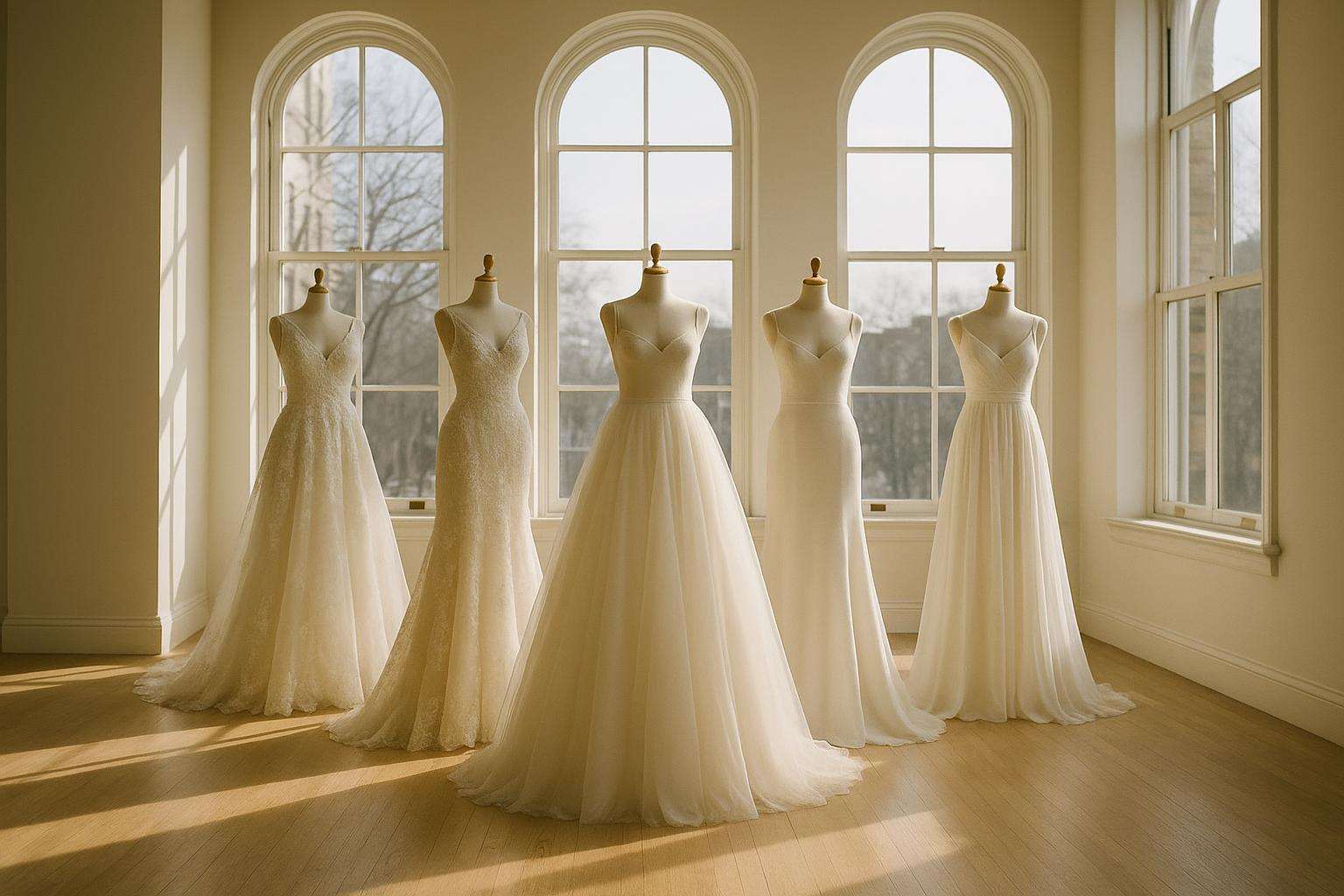
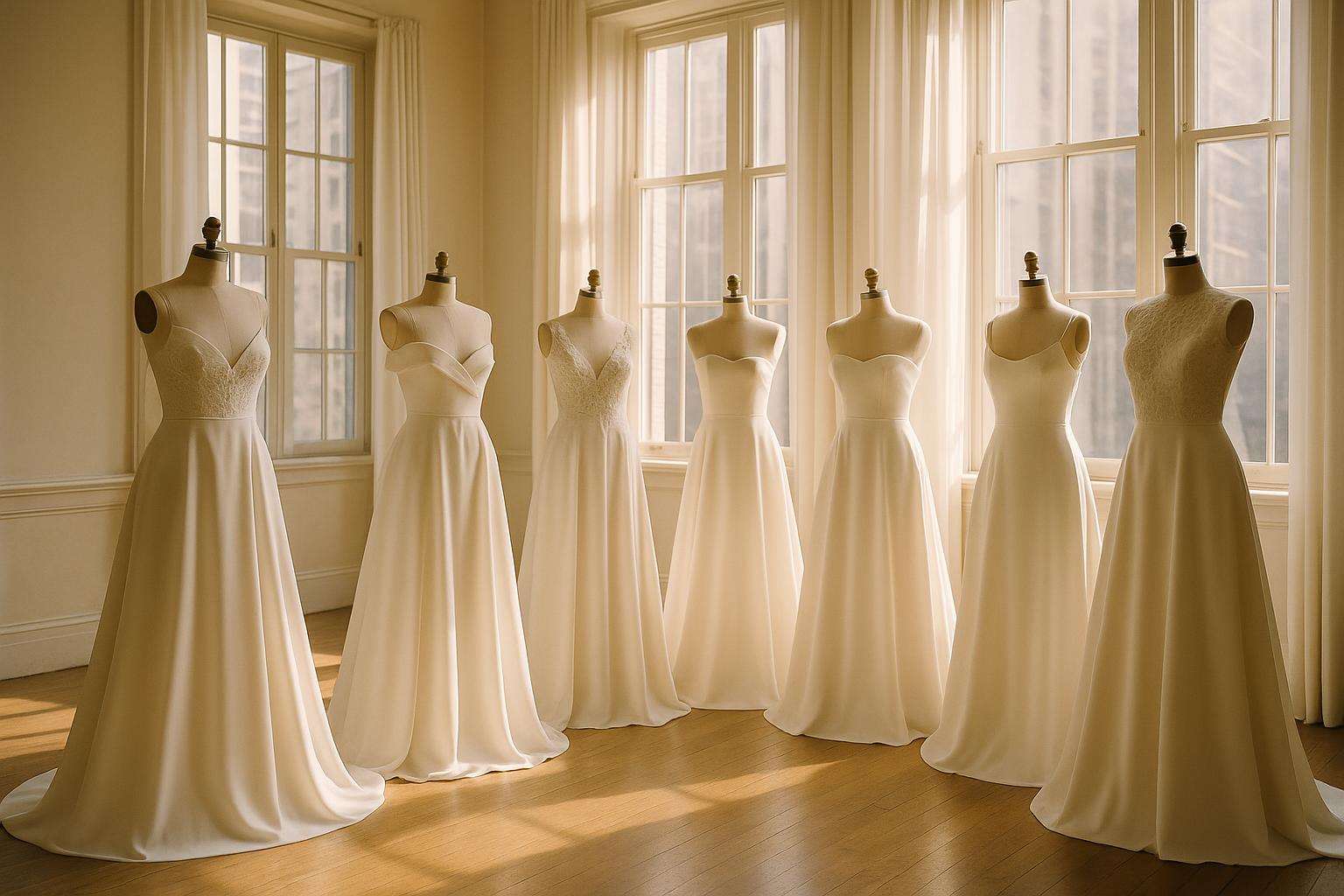
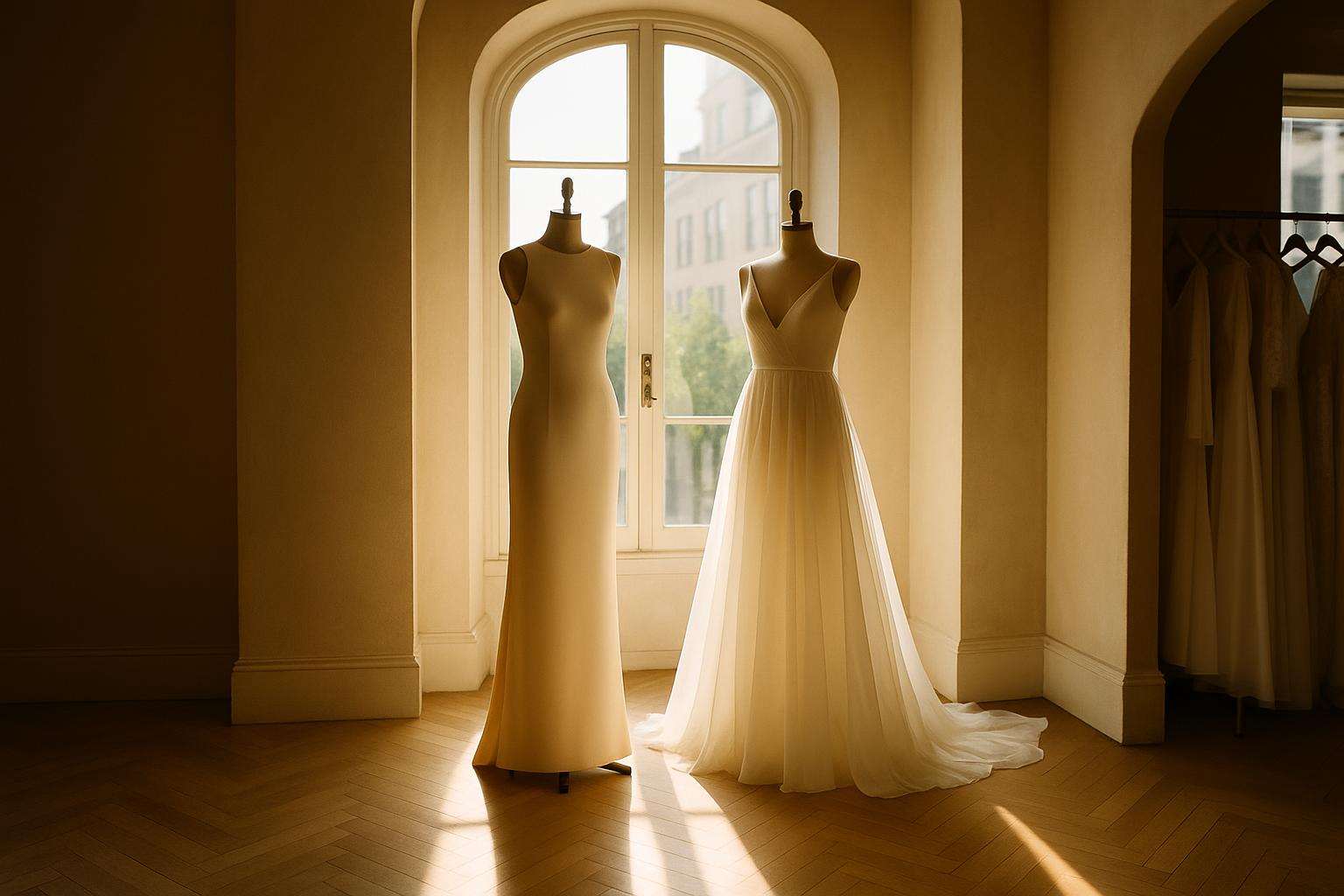
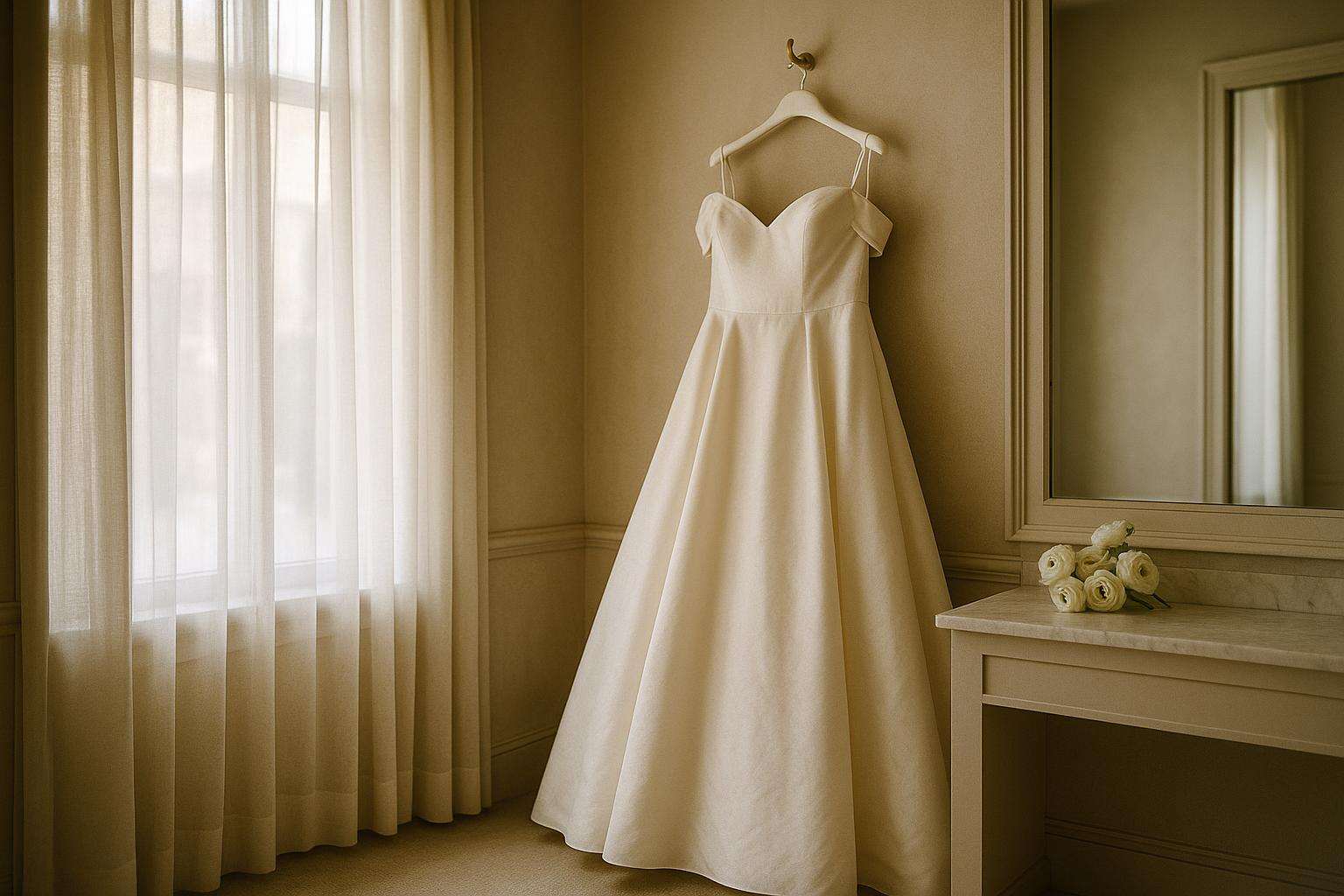
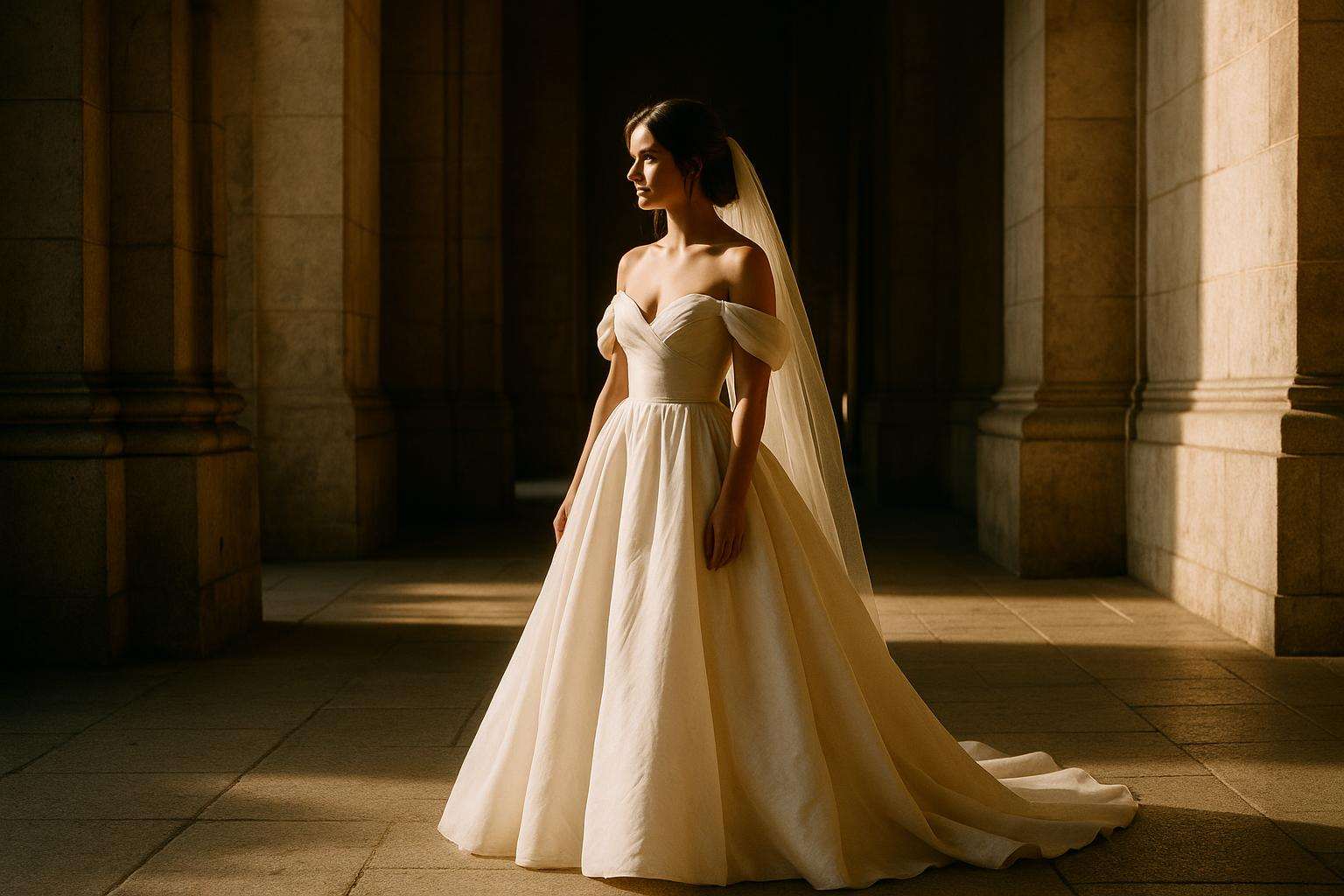
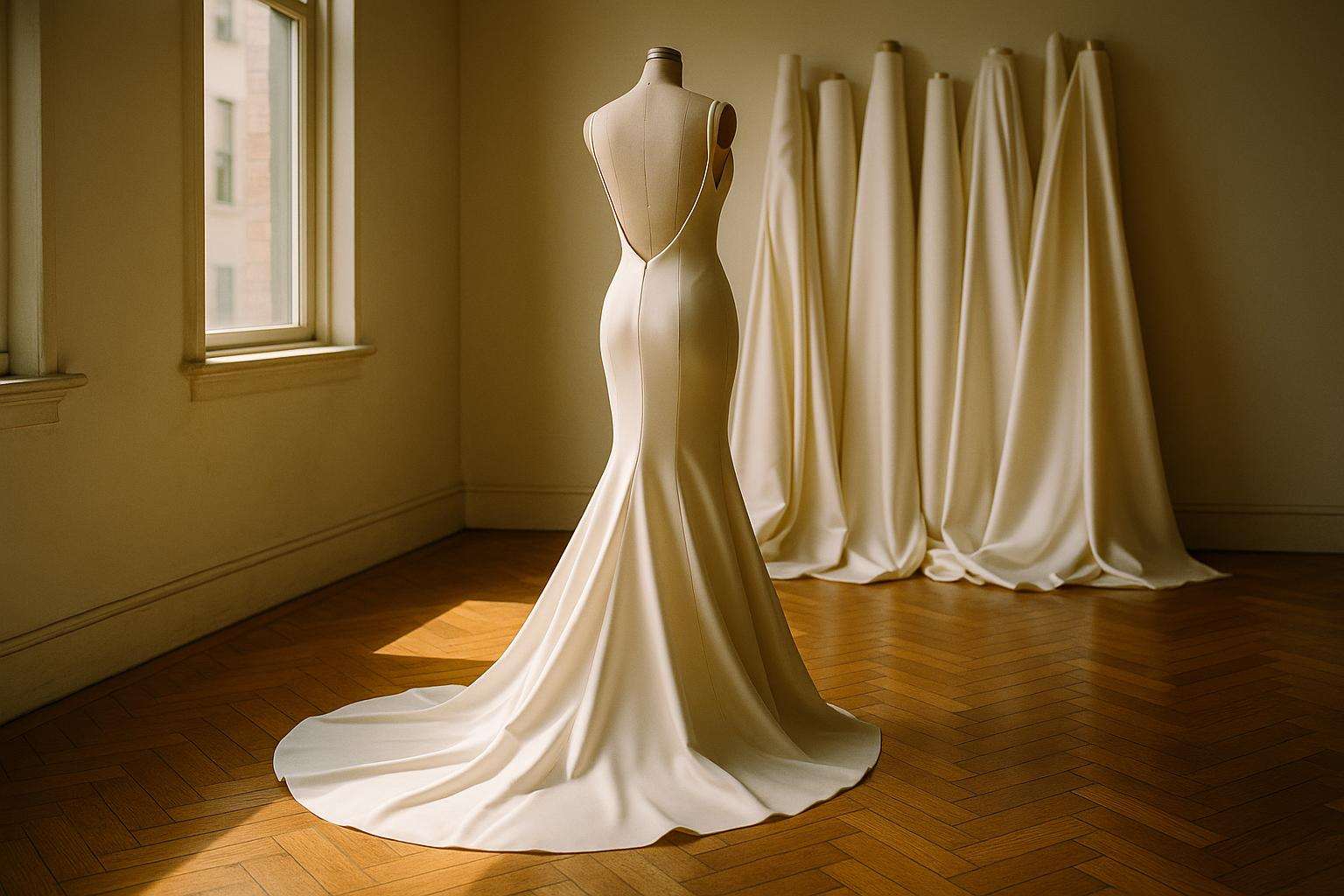
The wedding dress is the one garment most women remember for the rest of their lives — and the one decision that anchors every other. This is where we begin: the silhouettes (A-line, ball gown, sheath, mermaid, empire) and how each reads on a real figure; the fabrics that hold their shape down the aisle and those that move like water; necklines, sleeves, trains and the architecture of a gown that flatters rather than fights you. We favor the timeless over the trendy — the dress your daughter could wear — and we explain the why behind every choice so you buy once, and well.
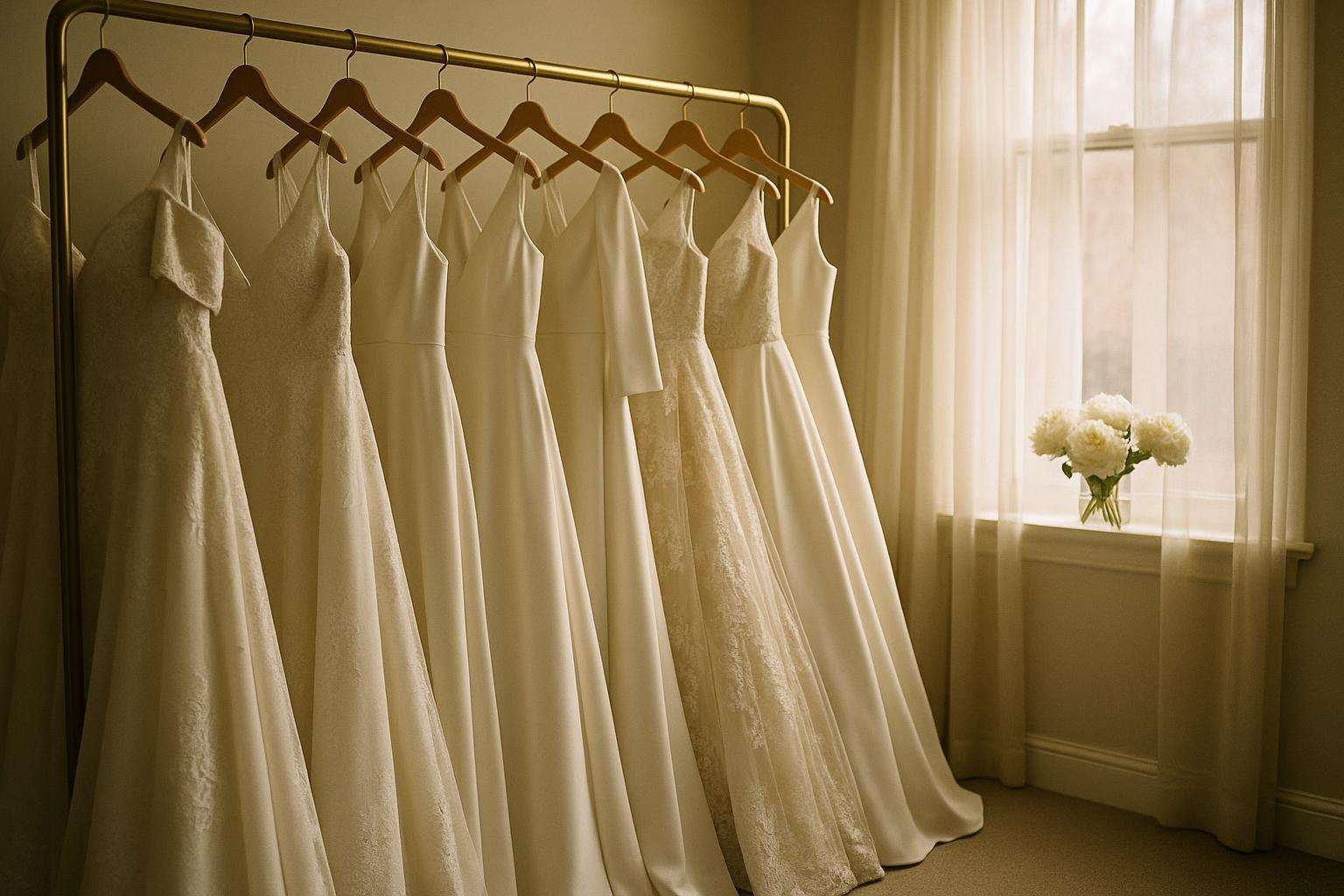
A curated edit of velvet, long-sleeve, and caped gowns from real labels — organized by warmth and formality so you can match the dress to the day.
Ranked silhouette picks for every figure — the why behind each match, the designers who do it best, and what to shop now.
A ranked rundown of every major bridal neckline — the face and figure each flatters most, a real gown example per style, and the honest caveats your stylist will tell you at the first fitting.
The top inclusive-size silhouettes and the labels that do them best — ranked by fit engineering, size range, and the quality of the try-on experience.
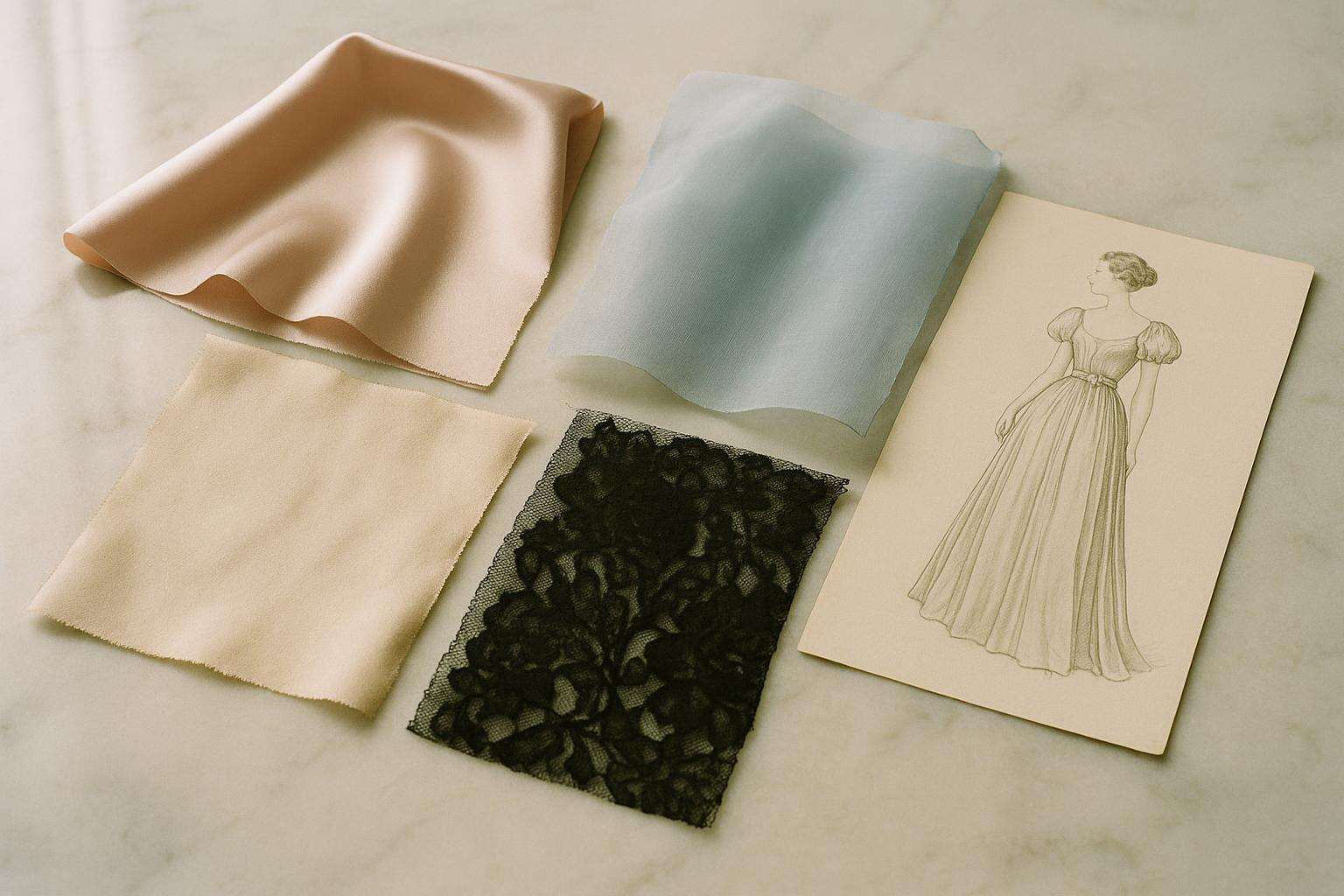
A shoppable edit of blush, champagne, blue, and black gowns from the designers redefining modern bridal — organized by hue, with real prices and honest verdicts for 2026.
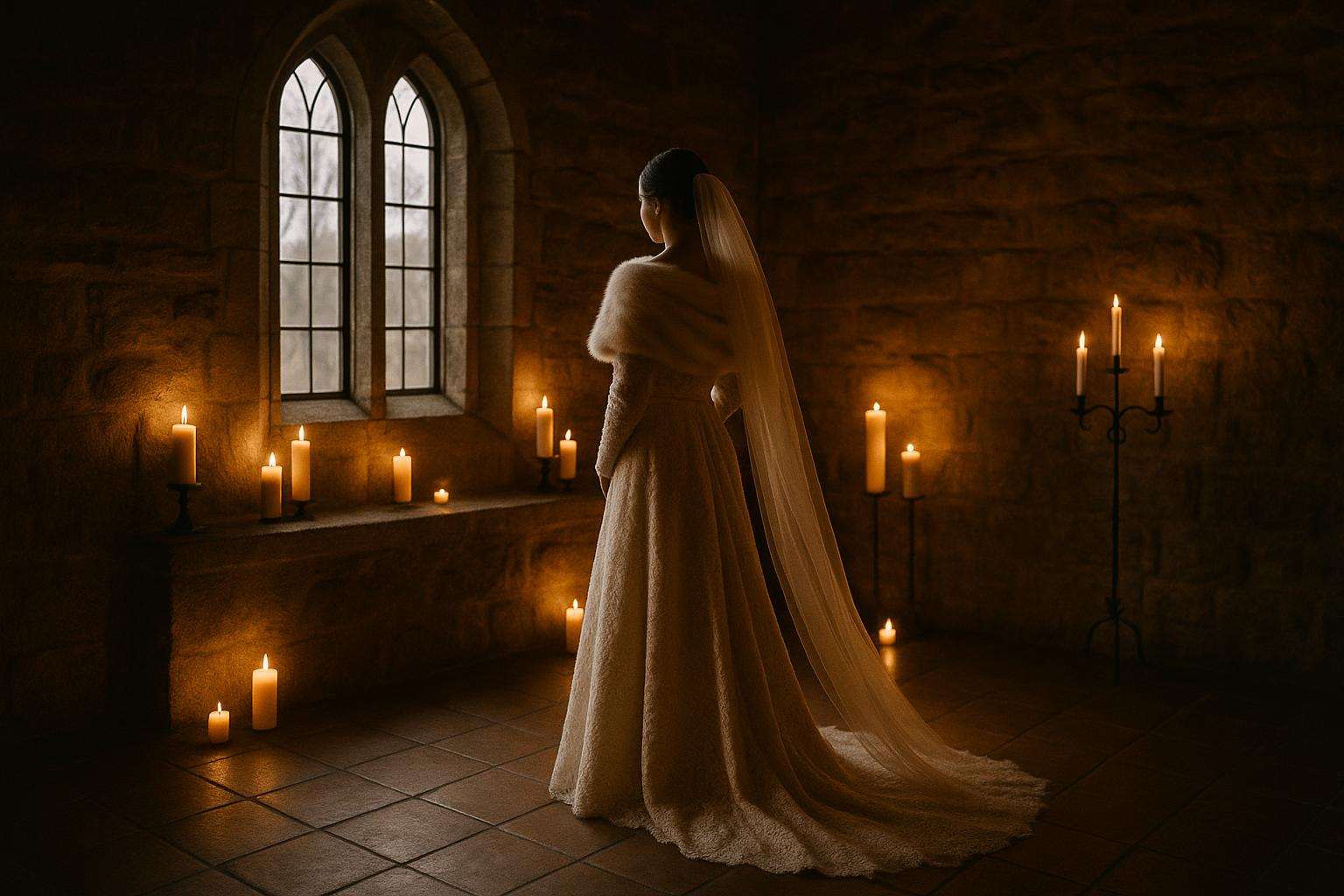
Velvet, Mikado, long sleeves, capes, and faux-fur layering — how to build genuine warmth into a cold-season gown without losing an ounce of elegance.
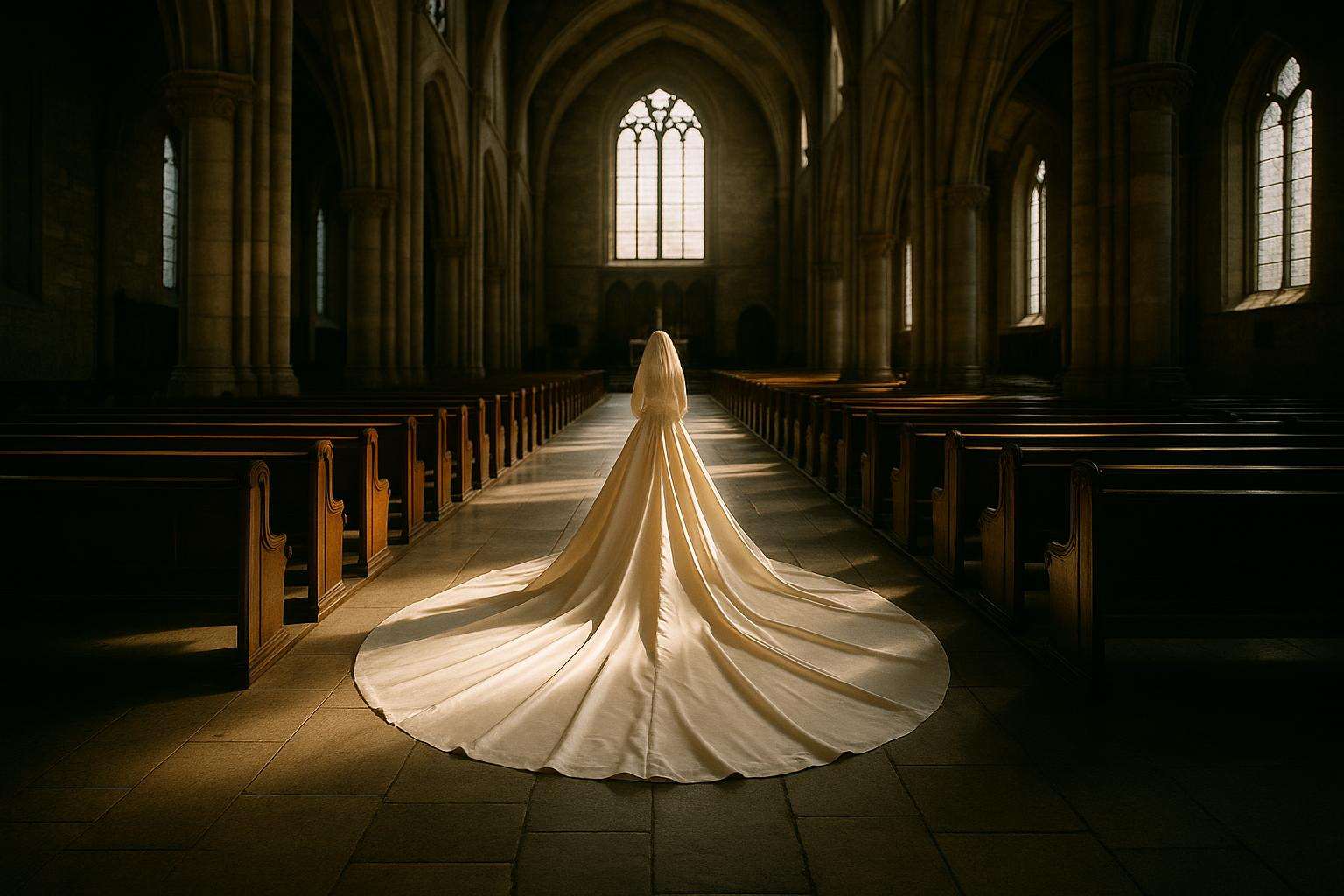
From the grazing sweep to the grand royal, every train length has a logic — a venue it was made for, a silhouette it perfects, and a bustle that sets it free for the dancing.
The full vocabulary of bridal necklines — sweetheart, V-neck, square, bateau, halter, illusion, off-shoulder — who each suits, how each shapes the face and figure, and what accessories belong with each.
How to scale silhouette, detail and hemline to a smaller frame — the vertical lines, necklines and alteration strategies that add apparent height without a single extra inch.
A material-by-material reference — drape, weight, season, photography behaviour, and price implications of every major bridal fabric.
A silhouette-and-neckline decision system for pear, apple, hourglass, rectangle, and inverted-triangle figures — the same framework bridal consultants at Kleinfeld and Atlanta Street Bridal use from the very first appointment.
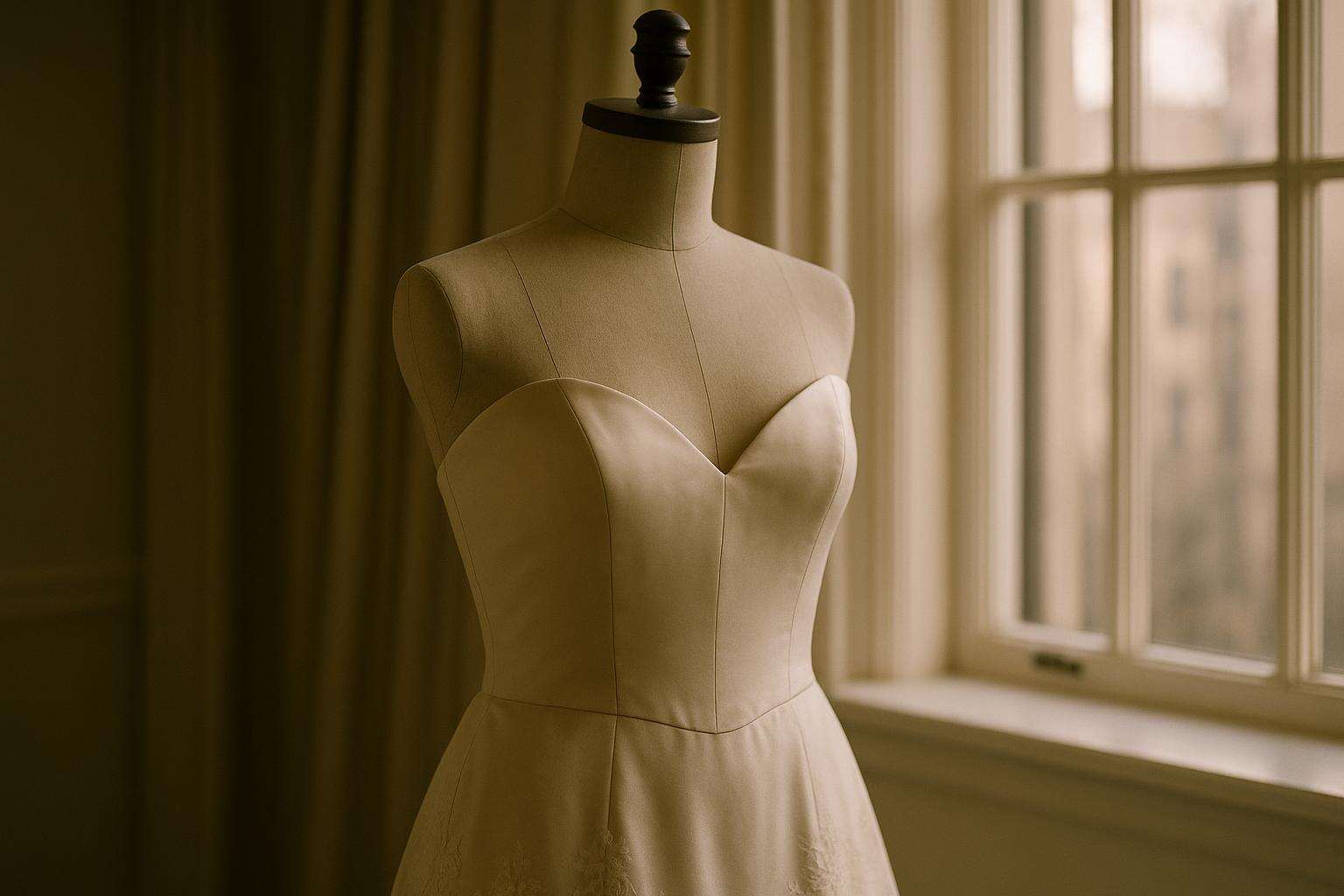
How a strapless bodice stays up — the boning, grip lining, and internal corsetry behind the silhouette — plus who it flatters most and how to accessorize the open neckline.
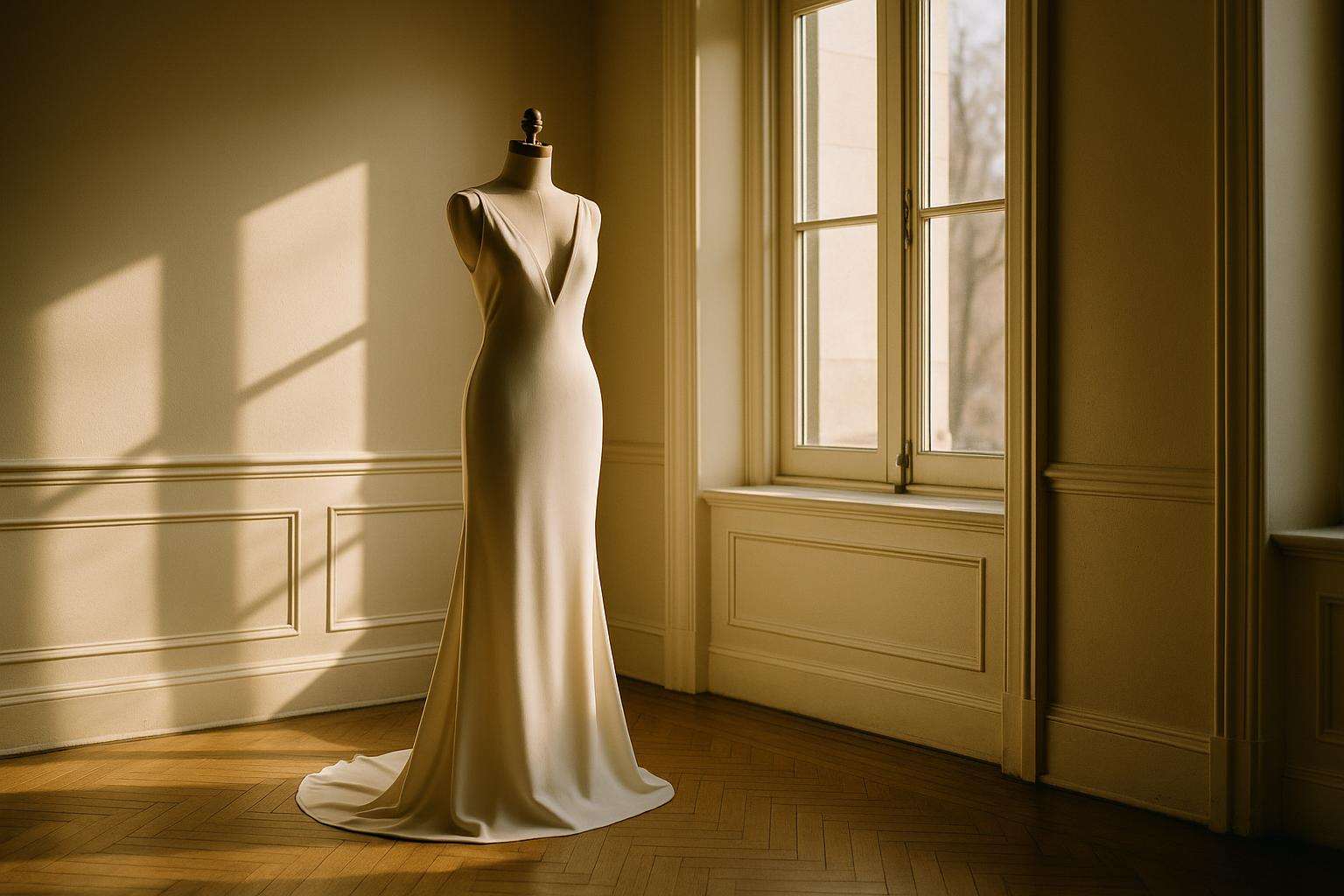
The slim, straight-falling column — why it needs the least structure, how crepe and satin drape it differently, and why it photographs so beautifully from city hall to a clifftop destination.
Color freedom, formality without the first-wedding rulebook, and silhouette choices that honor exactly where you are now — a grounded guide to dressing for a second or later marriage.
Structured support, the most flattering silhouettes for curves, and the inclusive retailers who carry sizes through 30 and beyond — a complete guide for plus-size brides shopping in 2026.
How the portrait-collar effect works, which fabrics and silhouettes suit each body type, when to choose fixed versus detachable sleeves, and how to pair jewelry with the most enduringly romantic neckline in bridal fashion.
How the mermaid silhouette hugs to the knee before flaring, why it differs from a trumpet, which body types wear it best, and what every bride must know about mobility and construction before she says yes.
Illusion lace, fitted crepe, detachable — the three sleeve constructions that change how formal, romantic, or modern a gown reads, and how to choose the right one for your season, ceremony, and body.
The skin-tone test, how lighting and fabric change the read, and why most gowns are not stark white.
Short dresses, suits, mini and midi options for legal and courthouse weddings — what reads bridal at a smaller scale, which lengths work, and where to buy from Reformation, BHLDN, Jenny Yoo, and White by Vera Wang.
Start from your proportions rather than a trend. An A-line suits nearly everyone because it skims the waist and grazes the hips; a sheath rewards a long, lean line; a ball gown defines the waist and balances a fuller bust; a mermaid flatters an hourglass but limits movement. Try one of each early — the mirror tells you more than any chart.
Restraint. A clean silhouette, a fabric with substance, and detailing that serves the gown rather than dating it. Look at the dresses that still read as beautiful thirty years on — they almost never chase a season. If you have to explain why a feature is "in," it will one day be "out."
It depends on the line you want. Mikado and duchess satin hold structure for a sculptural gown; silk crepe drapes close to the body; tulle and organza add volume without weight; lace adds texture and a sense of heritage. The right fabric is the one that supports your silhouette — not the most expensive.