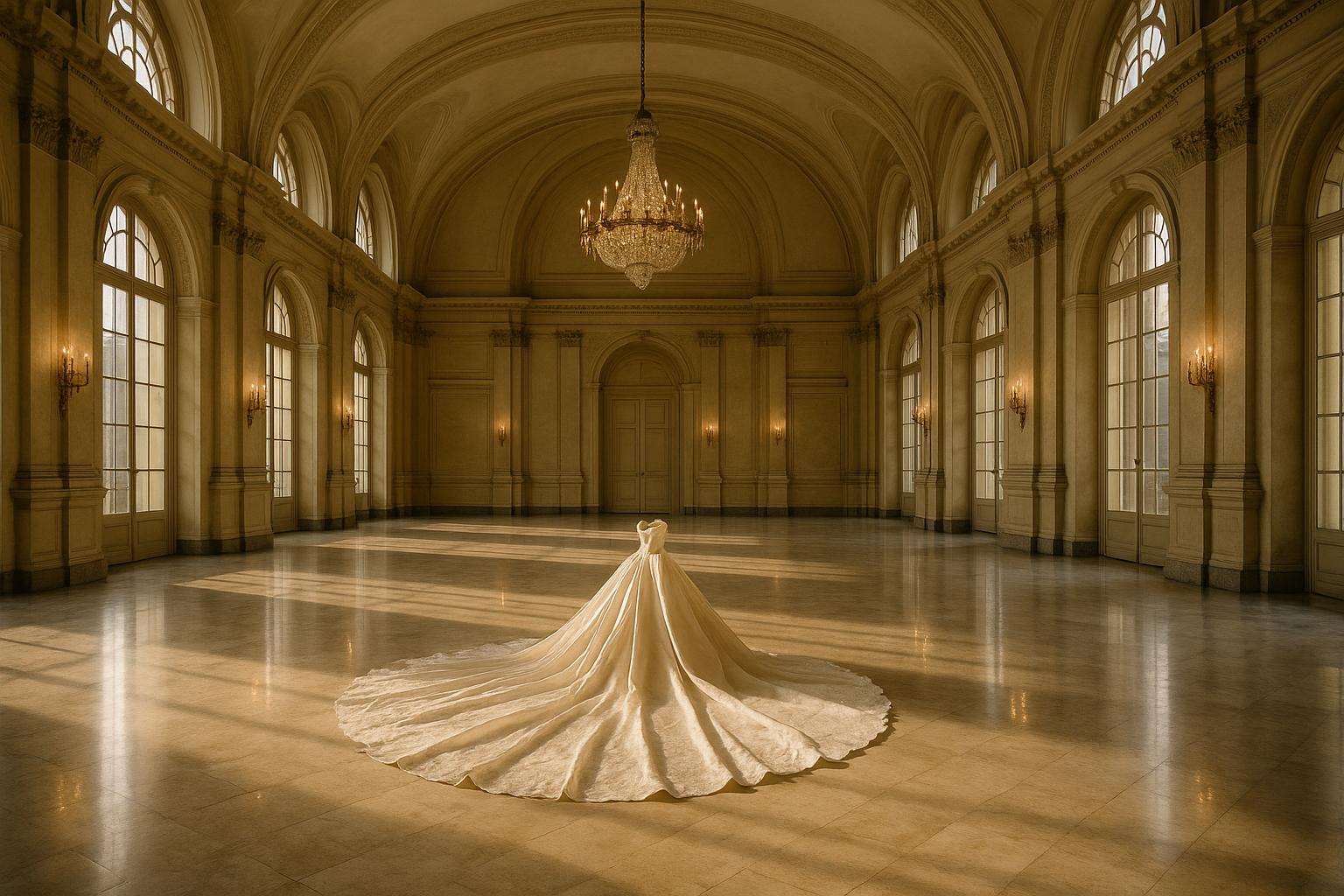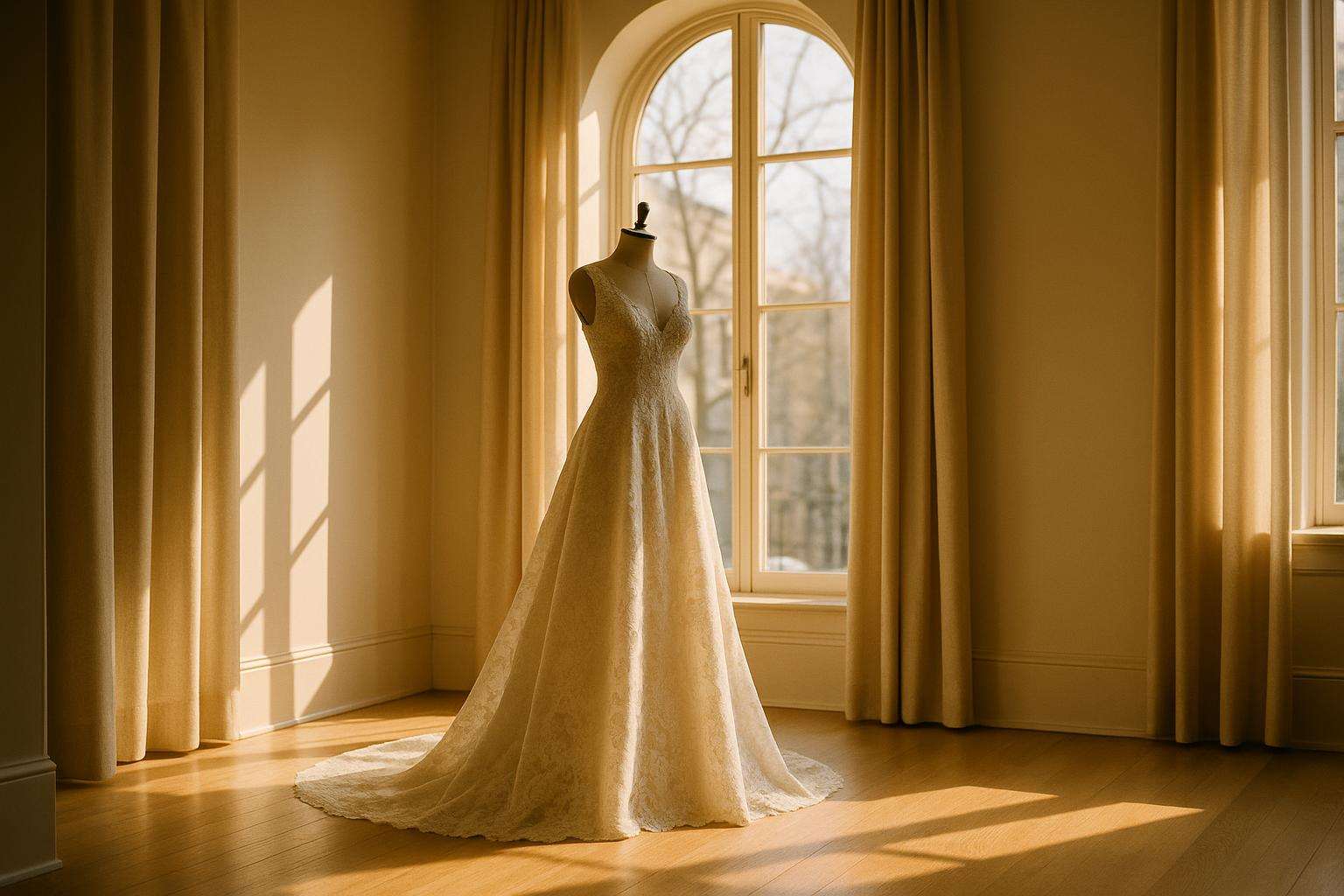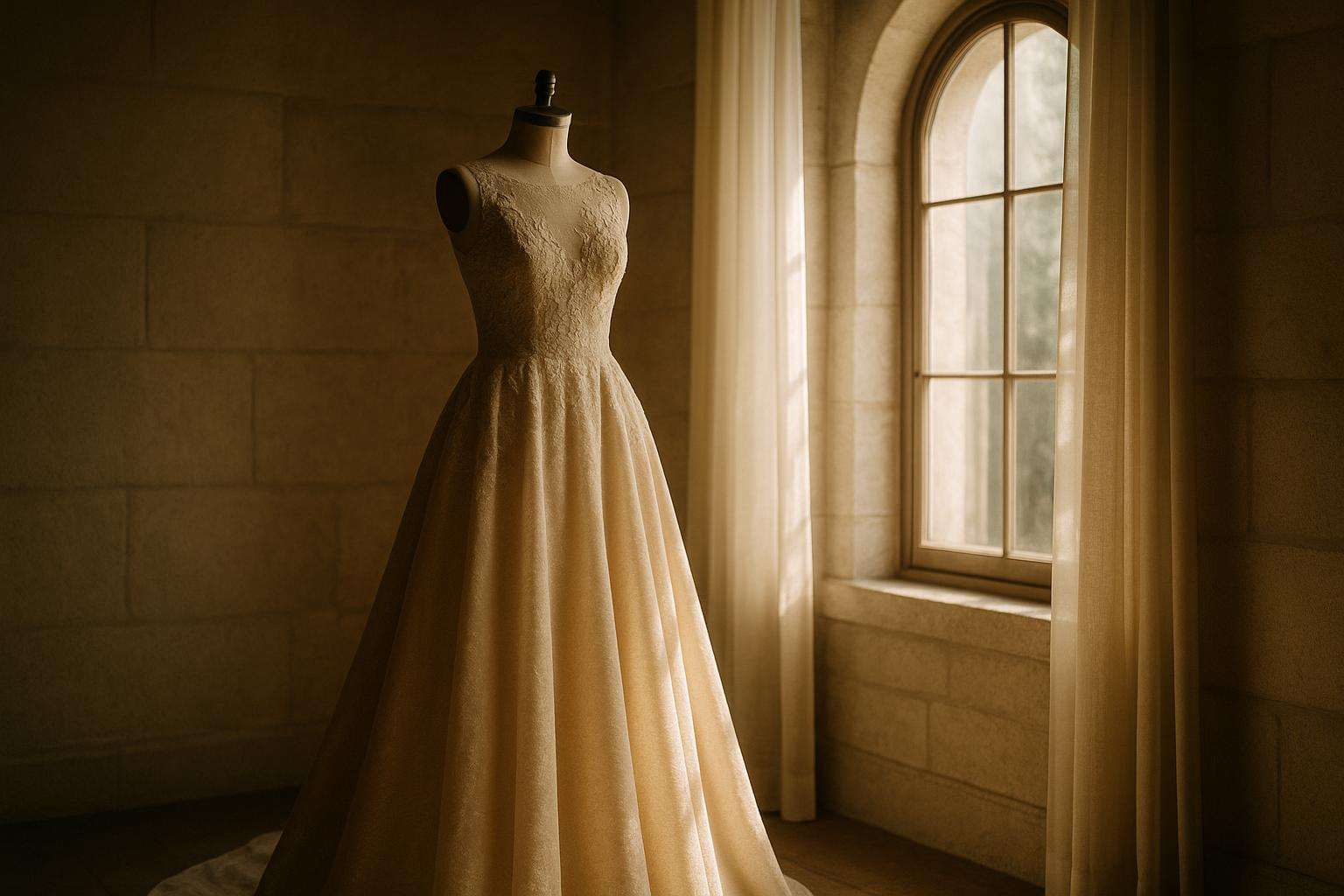
Champagne Wedding Dress: The Warm-Toned Alternative to White
Who the warm golden hue flatters, how it photographs, and how to style metals and accessories against a champagne gown.
Your complete guide to the gown — and the woman wearing it.
Silhouettes, fabrics and the timeless gowns that never date.
The wedding dress is the one garment most women remember for the rest of their lives — and the one decision that anchors every other. This is where we begin: the silhouettes (A-line, ball gown, sheath, mermaid, empire) and how each reads on a real figure; the fabrics that hold their shape down the aisle and those that move like water; necklines, sleeves, trains and the architecture of a gown that flatters rather than fights you. We favor the timeless over the trendy — the dress your daughter could wear — and we explain the why behind every choice so you buy once, and well.
Who the warm golden hue flatters, how it photographs, and how to style metals and accessories against a champagne gown.
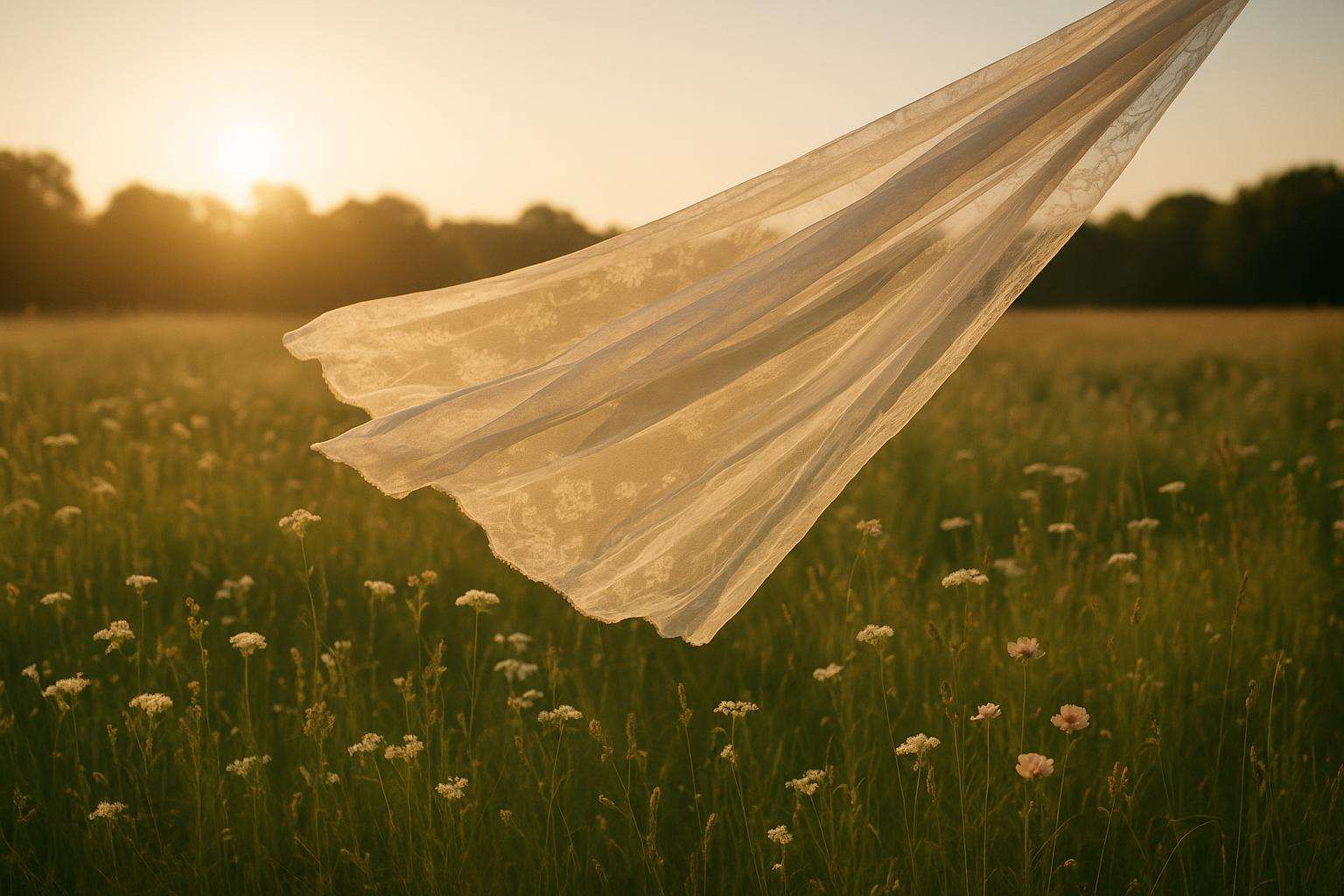
From Grace Loves Lace's ethical European lace to All Who Wander's graphic botanical silhouettes, this guide defines the bohemian bridal aesthetic — and shows exactly where to find yours.
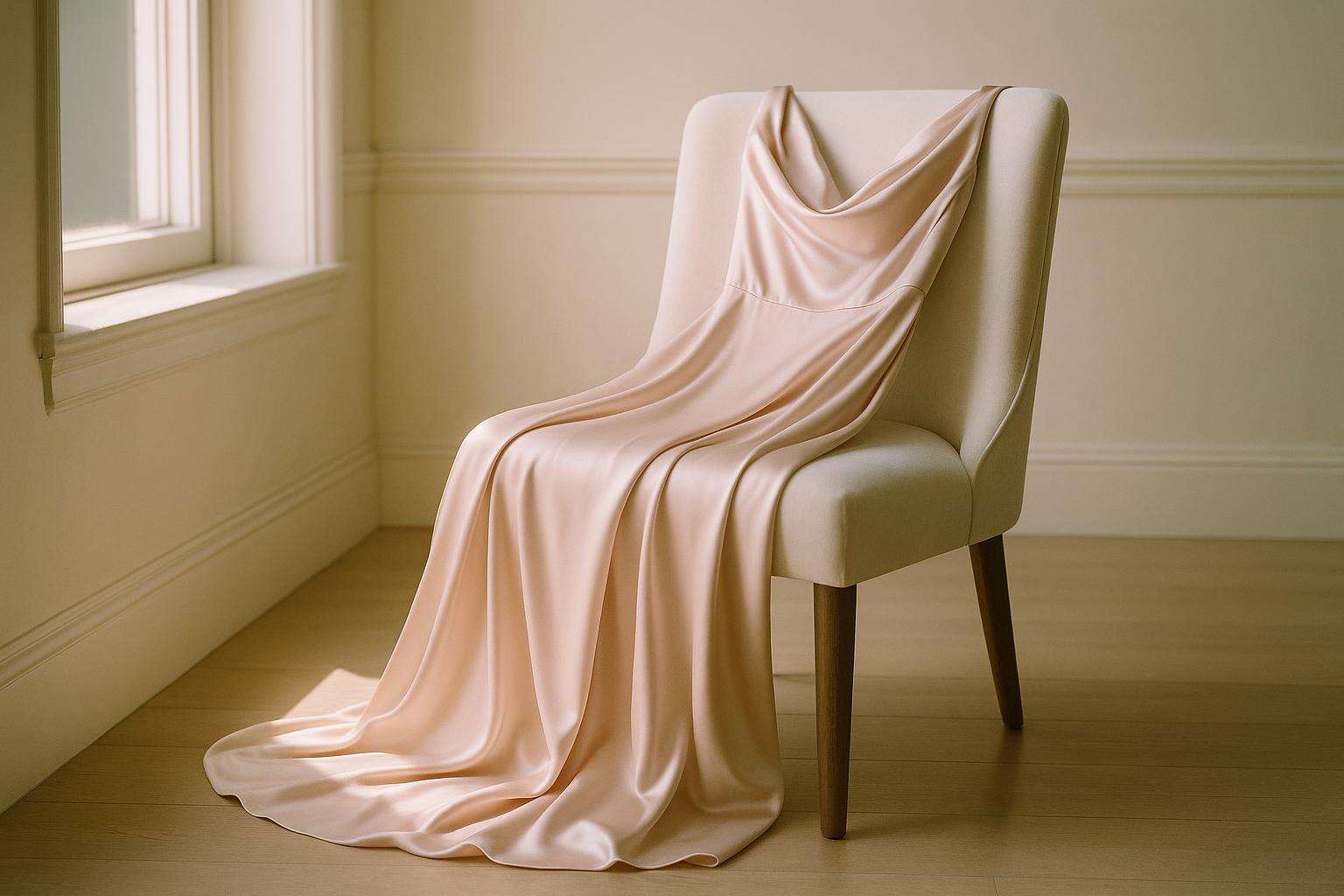
From barely-there petal pink to deep dusty rose, this guide maps the full blush spectrum by skin tone, spotlights the designers defining the category in 2026, and shows you how to style a pink gown so it reads romance — not prom.
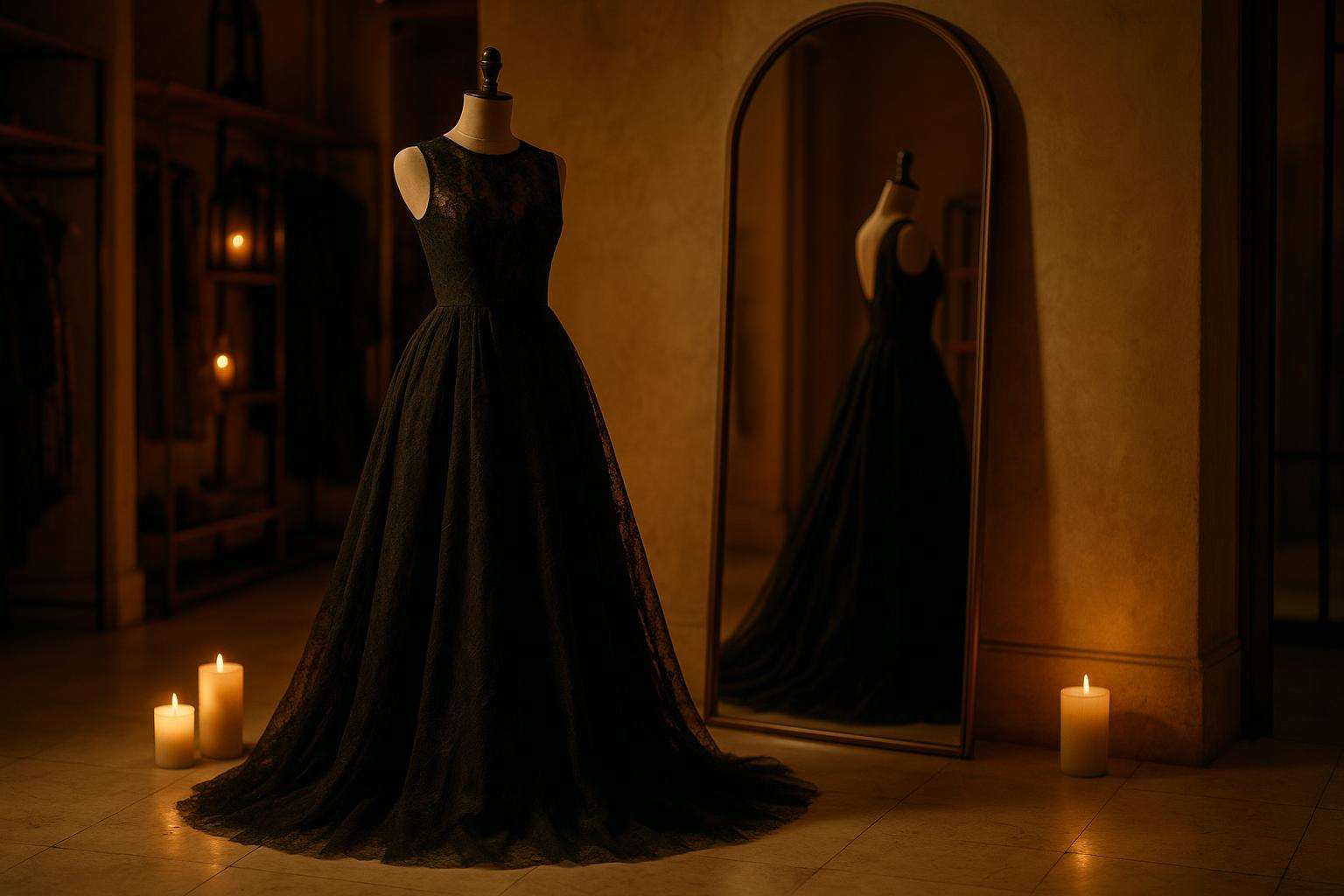
The history, the designers, the fabrics, and the styling — everything a modern bride needs to choose, wear, and own a black wedding dress with total confidence in 2026.
What a basque (dropped-V) waistline is, why its architectural point elongates the torso and visually slims the silhouette, and the 2026 designer collections featuring it.
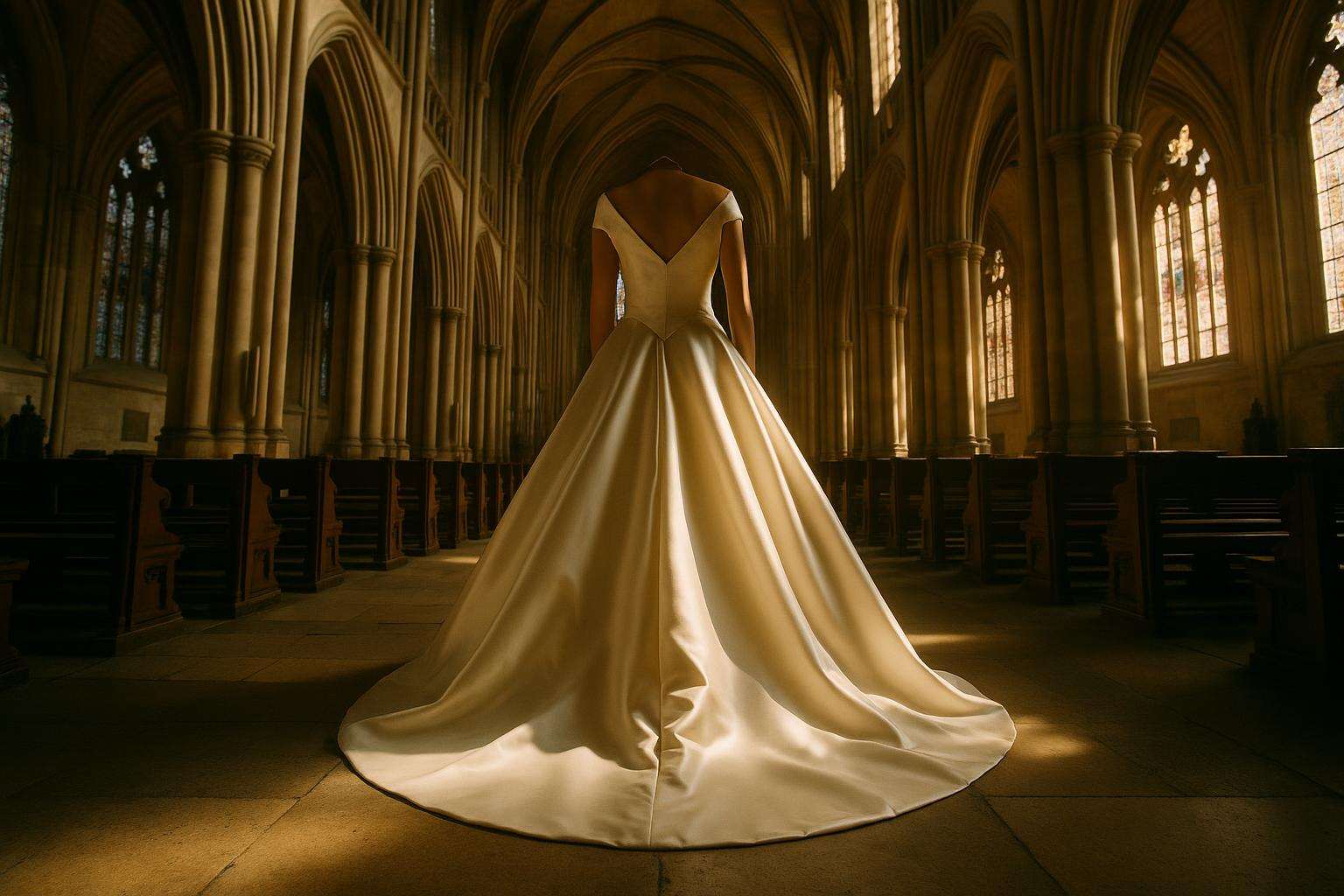
The fairytale full-skirt silhouette — crinoline and hoop construction, who it flatters most, venue fit, weight and movement trade-offs, and the designers leading the 2026 ball-gown revival.
The anatomy, fit mechanics, body-type mapping, fabric pairings, and real designer examples — everything a bride needs to know about the silhouette that flatters everyone.
Start from your proportions rather than a trend. An A-line suits nearly everyone because it skims the waist and grazes the hips; a sheath rewards a long, lean line; a ball gown defines the waist and balances a fuller bust; a mermaid flatters an hourglass but limits movement. Try one of each early — the mirror tells you more than any chart.
Restraint. A clean silhouette, a fabric with substance, and detailing that serves the gown rather than dating it. Look at the dresses that still read as beautiful thirty years on — they almost never chase a season. If you have to explain why a feature is "in," it will one day be "out."
It depends on the line you want. Mikado and duchess satin hold structure for a sculptural gown; silk crepe drapes close to the body; tulle and organza add volume without weight; lace adds texture and a sense of heritage. The right fabric is the one that supports your silhouette — not the most expensive.